Understanding PIH vs. PIE: Tailored Treatments for Every Fitzpatrick Skin Type
Understanding PIH vs. PIE: Tailored Treatments for Every Fitzpatrick Skin Type
When it comes to post-inflammatory skin discoloration, two terms often come up: Post-Inflammatory Hyperpigmentation (PIH) and Post-Inflammatory Erythema (PIE). While they may appear similar, these skin concerns differ significantly in their causes, appearance, and treatment, particularly across different Fitzpatrick skin types. Let’s dive deeper into these conditions, why they occur, and how to treat them holistically.
What is PIH?
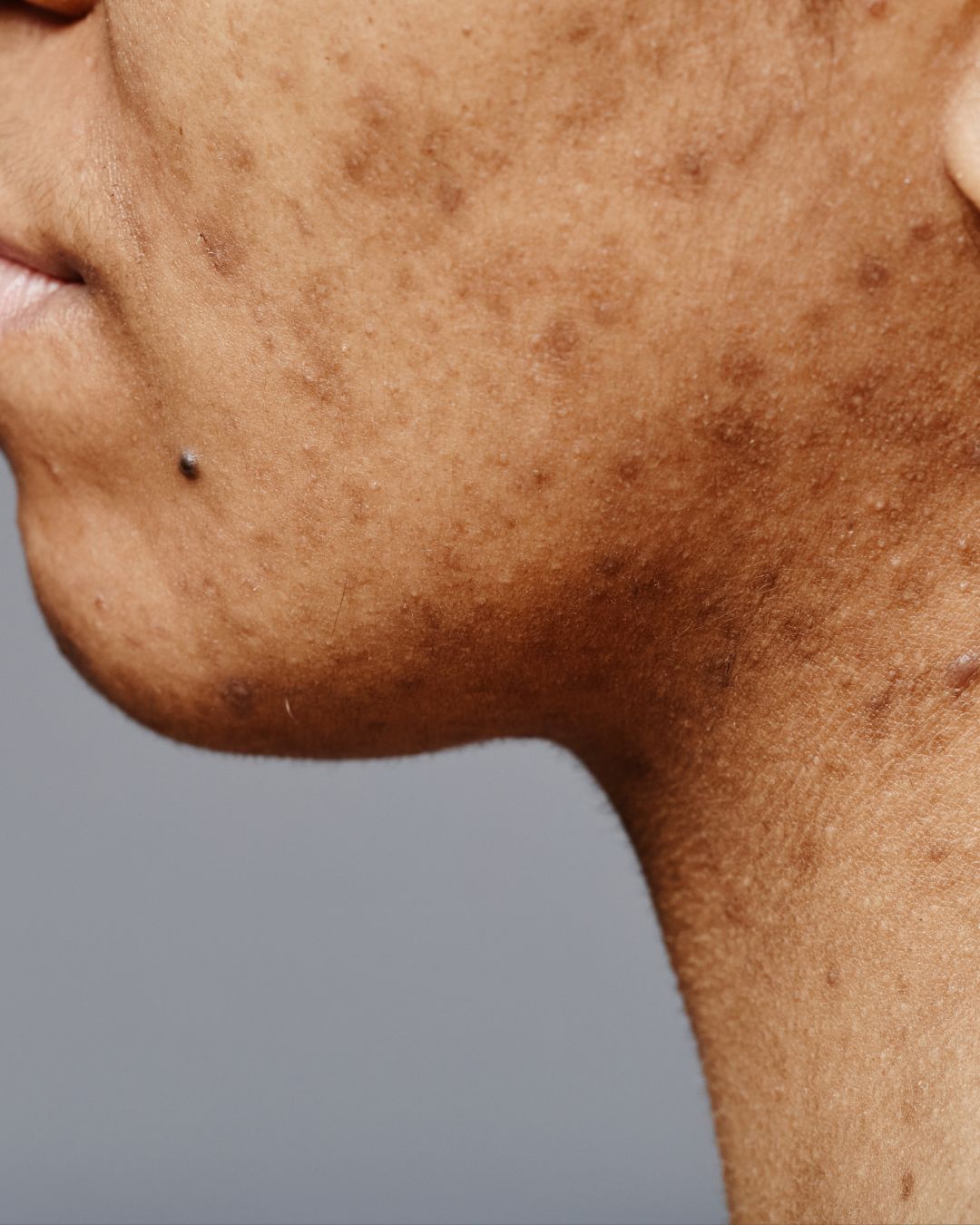
PIH occurs when inflammation triggers an overproduction of melanin, leading to dark spots or patches on the skin. This condition is more common in individuals with Fitzpatrick Skin Types III to VI, as darker skin tones naturally have more melanin, making them more prone to hyperpigmentation. PIH often results from acne, eczema, or trauma to the skin.
Common Triggers for PIH:
-
Acne breakouts
-
Sun exposure
-
Inflammatory skin conditions (e.g., eczema, psoriasis)
-
Improper healing after treatments (e.g., chemical peels, microneedling)
What is PIE?
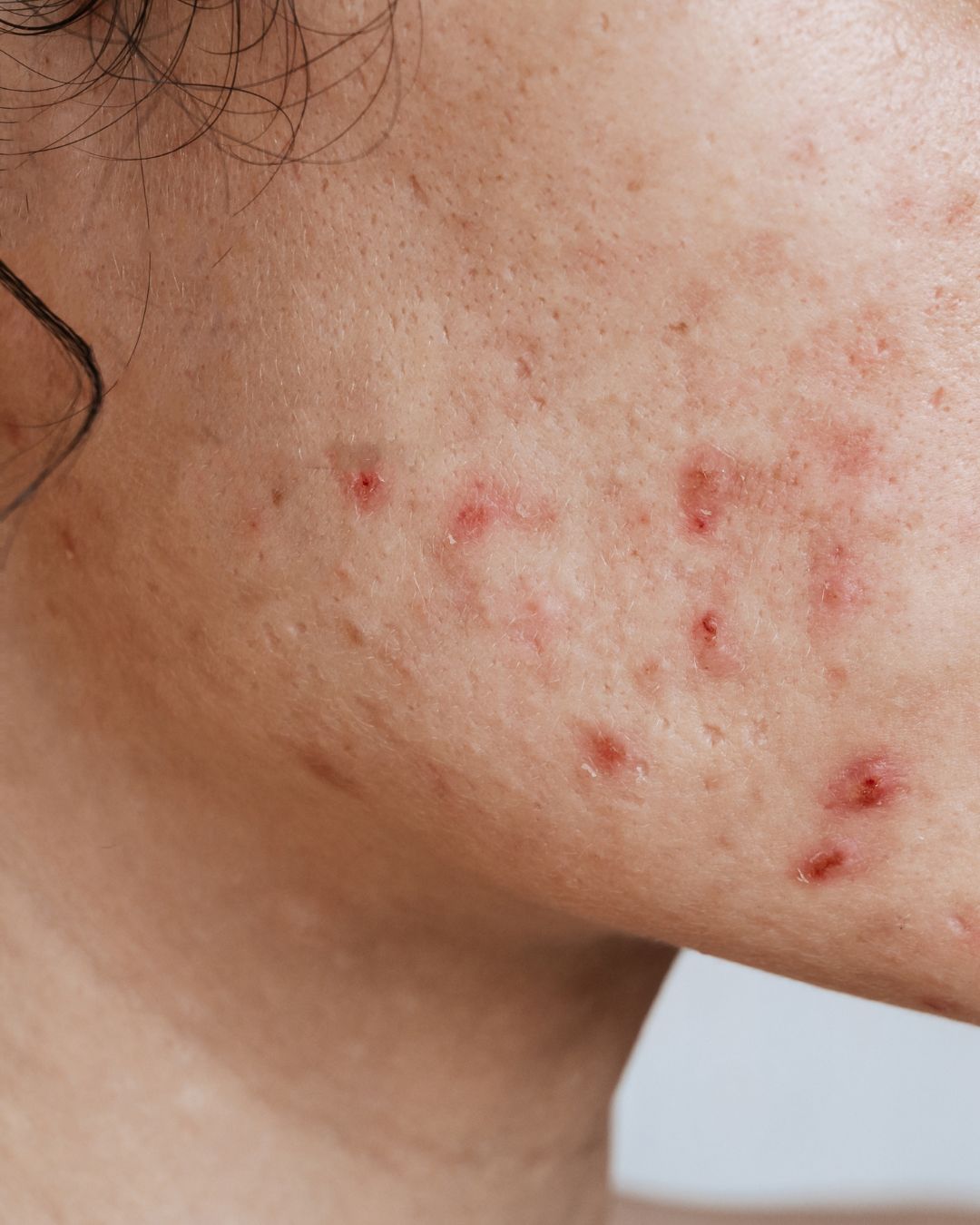
PIE, on the other hand, presents as red, pink, or purple marks caused by damaged capillaries beneath the skin. This condition is more prevalent in individuals with Fitzpatrick Skin Types I to III, where lower melanin levels make vascular changes more visible.
Common Triggers for PIE:
-
Acne (especially cystic lesions)
-
Physical trauma (e.g., picking at the skin)
-
Allergic reactions
Key Differences Between PIH and PIE:
| Feature | PIH | PIE |
|---|---|---|
| Color | Brown or black | Red, pink, or purple |
| Cause | Excess melanin production | Damaged blood vessels |
| Fitzpatrick Types | III-VI | I-III |
| Treatment Focus | Brightening and melanin control | Vascular repair |
Treating PIH and PIE Across Fitzpatrick Types
1. Internal Factors to Address
Both PIH and PIE can be worsened by internal imbalances such as hormonal changes, poor diet, and stress. Addressing these root causes can significantly improve treatment outcomes:
- Hormonal Balance: Hormonal fluctuations can exacerbate inflammation and pigmentation. For instance, conditions like PCOS in darker skin tones can increase melanin production, worsening PIH. In lighter skin tones, hormonal shifts may lead to increased capillary fragility, contributing to PIE.
- Diet and Hydration: Anti-inflammatory foods like leafy greens, omega-3s, and antioxidant-rich berries support skin healing. Zinc deficiency, common in various skin conditions, can delay healing and exacerbate discoloration.
- Chronic Conditions: Disorders like diabetes can slow wound healing and make PIH more persistent in darker skin types, while conditions like rosacea, more common in lighter skin tones, can exacerbate PIE.
- Stress Management: Chronic stress increases cortisol, worsening skin inflammation. Practices like mindfulness, yoga, or acupuncture can help regulate stress and promote skin repair.
2. Physical Treatments
For PIH:
- Topical Ingredients:
- Vitamin C: Brightens skin and reduces melanin production.
- Niacinamide: Helps fade dark spots and strengthens the skin barrier.
- Retinol: Speeds up cell turnover to diminish pigmentation.
- Professional Treatments:
- Chemical Peels (lactic or mandelic acid for darker skin types).
- Microneedling with a focus on melanin-safe protocols.
- Sun Protection:
- Daily SPF 30+ is critical to prevent dark spots from worsening.
Ask Us about these services: https://micromoon.ca/
For PIE:
- Topical Ingredients:
- Azelaic Acid: Reduces redness and calms inflammation.
- Centella Asiatica: Supports capillary repair and soothes irritated skin.
- Professional Treatments:
- Vascular lasers (like IPL or pulsed dye lasers).
- LED light therapy for redness reduction.
- Cold Therapy:
- Using ice rollers or cold compresses can calm redness and reduce inflammation.
Skin Color and Health Conditions: A Deeper Dive
Darker Skin Tones (Fitzpatrick III-VI):
-
Health-Related PIH Triggers:
-
Acne & PCOS: Hormonal acne can linger longer, leading to stubborn PIH.
-
Keloid Formation: More prone to scarring and pigmentation changes.
-
Nutritional Deficiencies: Low vitamin D (due to melanin blocking UV rays) can impair healing.
-
-
Tailored Treatments: Focus on gentle, melanin-safe exfoliation and barrier repair to prevent irritation and worsening pigmentation.
Lighter Skin Tones (Fitzpatrick I-III):
-
Health-Related PIE Triggers:
-
Rosacea: Common in fair skin, leading to vascular damage.
-
Autoimmune Disorders: Conditions like lupus can cause prolonged inflammation and capillary fragility.
-
Thin Skin: Reduced collagen density can make redness more prominent.
-
-
Tailored Treatments: Incorporate anti-inflammatory products like azelaic acid and prioritize vascular-strengthening therapies.
Skin Priority Pyramid: A Roadmap for Skin Healing
Treating PIH and PIE effectively requires a strategic approach, focusing on skin health as a whole. Our Skin Priority Pyramid emphasizes starting with foundational skin health before addressing specific concerns. This pyramid guides you through:
-
Protecting the Skin Barrier: Always begin with gentle cleansers and moisturizers.
-
Hydration and SPF: These are non-negotiables for any skin type or condition.
-
Targeted Treatments: Once your skin is stable, incorporate actives like vitamin C or azelaic acid.
Final Thoughts
Understanding the difference between PIH and PIE is essential for choosing the right treatments, especially when considering your Fitzpatrick skin type. Combining internal health improvements with carefully selected topical treatments can significantly improve results. If you’re unsure where to start, a personalized consultation can guide you toward healthier, radiant skin. Let’s tackle these skin concerns together!