
Sebaceous Filaments vs. Blackheads: What’s Really on Your Nose?
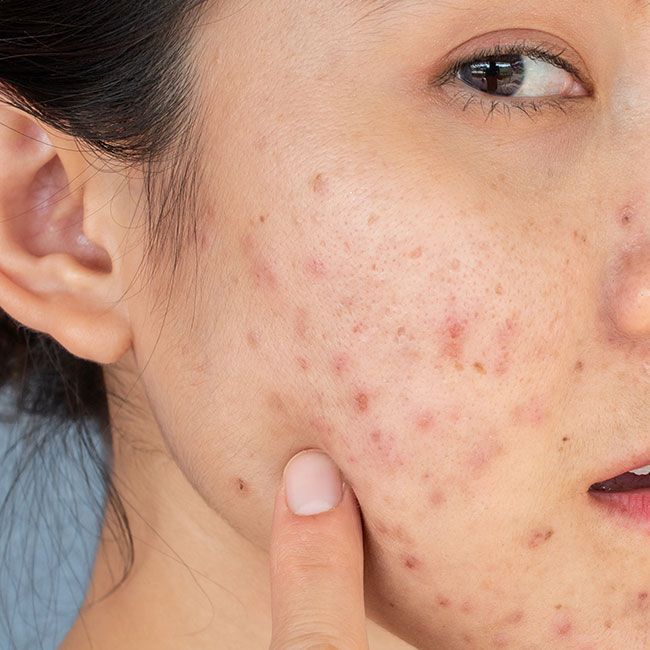
How stress, sleep deprivation, and hormonal shifts show up on your face
If you’ve been doing everything “right” — cleansing, moisturizing, SPF, the whole routine — and your skin still looks dull, reactive, or broken out, there’s something important you need to hear. Your skin might not be failing. It might just be exhausted.
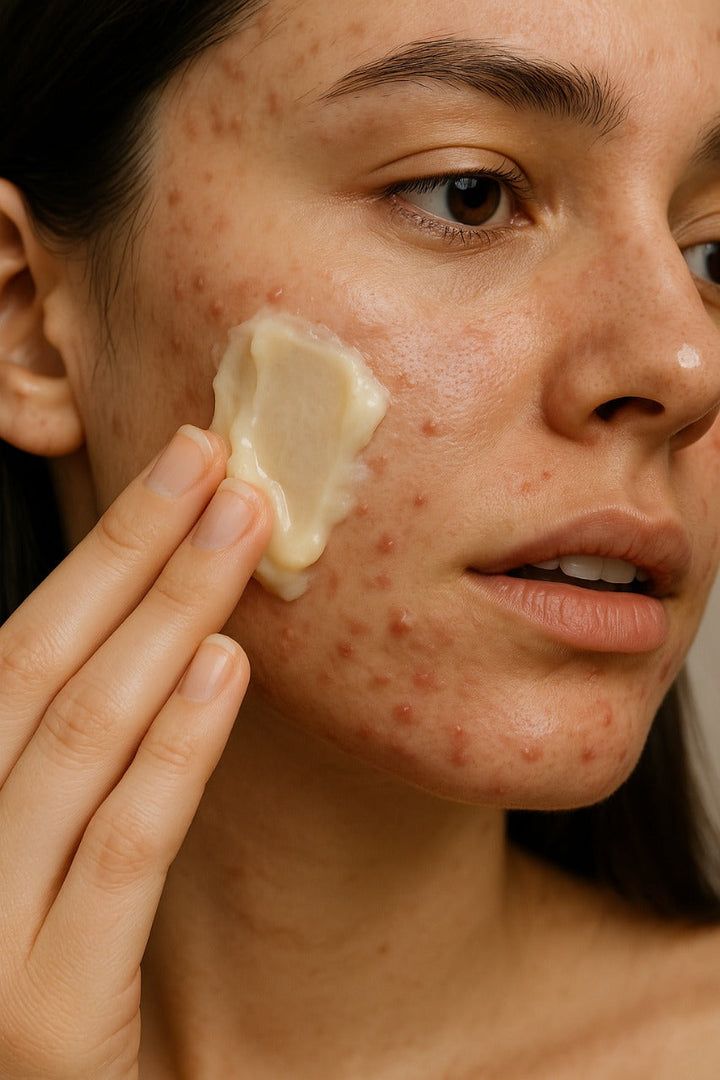
Burnout Has a Face
Most people don’t connect their skin struggles to their stress levels, but the link is well-documented and physiologically real. When your body is under chronic stress, cortisol levels rise. Elevated cortisol triggers systemic inflammation, disrupts your skin barrier, increases oil production, and slows the skin’s natural repair cycle. The result? Breakouts, sensitivity, pigmentation flares, and a general dullness that no brightening serum seems to touch.
Burnout doesn’t announce itself clearly. Often, it shows up on your skin first — before you’ve even admitted to yourself how depleted you actually are.
What Sleep Deprivation Does to Your Skin
Your skin does the majority of its cellular repair work overnight. During deep sleep, growth hormone is released, cell turnover increases, and inflammation is regulated. When you’re consistently undersleeping — whether from stress, a busy schedule, or just the mental load of modern life — that repair window shrinks. Over time, this shows up as persistent dullness, slower healing of blemishes, increased sensitivity, and a complexion that looks tired regardless of what you apply topically.

The Hormonal Layer
For women between 25 and 45, hormonal fluctuations add another layer of complexity. Estrogen and progesterone shifts throughout the monthly cycle, perimenopause, postpartum recovery, and thyroid changes all directly influence how your skin behaves. Increased androgens can trigger oil and breakouts. Declining estrogen can thin the skin and reduce collagen. These aren’t skincare failures — they’re physiological shifts that require a different kind of support.
Why Products Alone Won’t Fix This
This is where the skincare industry often lets people down. The default response to struggling skin is to buy more — a new serum, a stronger treatment, a different routine. But if your skin is inflamed and overwhelmed, adding more actives or more steps frequently makes things worse. You cannot treat a dysregulated system with surface-level solutions.
Real skin improvement requires understanding what state your body is in before deciding what your skin can actually tolerate and respond to.

How Micromoon Approaches This Differently
At Micromoon, we don’t start with a product or a protocol. We start with your skin’s current state and what’s happening beneath it. Our consultations consider lifestyle factors, hormonal patterns, stress load, and barrier health before recommending any treatment or product.
This is why clients who’ve tried everything elsewhere often see their first real results with us — not because we use something magic, but because we treat the system behind the skin, not just the surface.
If Your Skin Feels Off Right Now
Before switching your routine again, consider asking yourself a few honest questions. How is your sleep? How is your stress? When did you last feel genuinely rested? Sometimes the most effective skincare decision is not a new product — it’s a nervous system that finally gets to exhale.
Healing is allowed to be gentle. And support is available when you’re ready.
Book a skin consultation at Micromoon in Cloverdale, BC — link in bio or visit micromoon.ca
📞 Ready to Reset Your Skin?
Here’s how to get started:
Book your Acne Consultation → https://micromoon.ca/book
Choose your first Acne Facial or Acne Bootcamp
Follow our plan + see real, lasting results
💌 Special Offer: Mention this blog post and get $35 off your first acne facial (for new clients only).